—SASOLIDBUILD LTD
Software built
like structure.
SASOLIDBUILD LTD is a software engineering company. We design and build custom applications, web platforms, backend services and the cloud infrastructure that supports them — and we stay with those systems while they keep changing.
01Technology focus
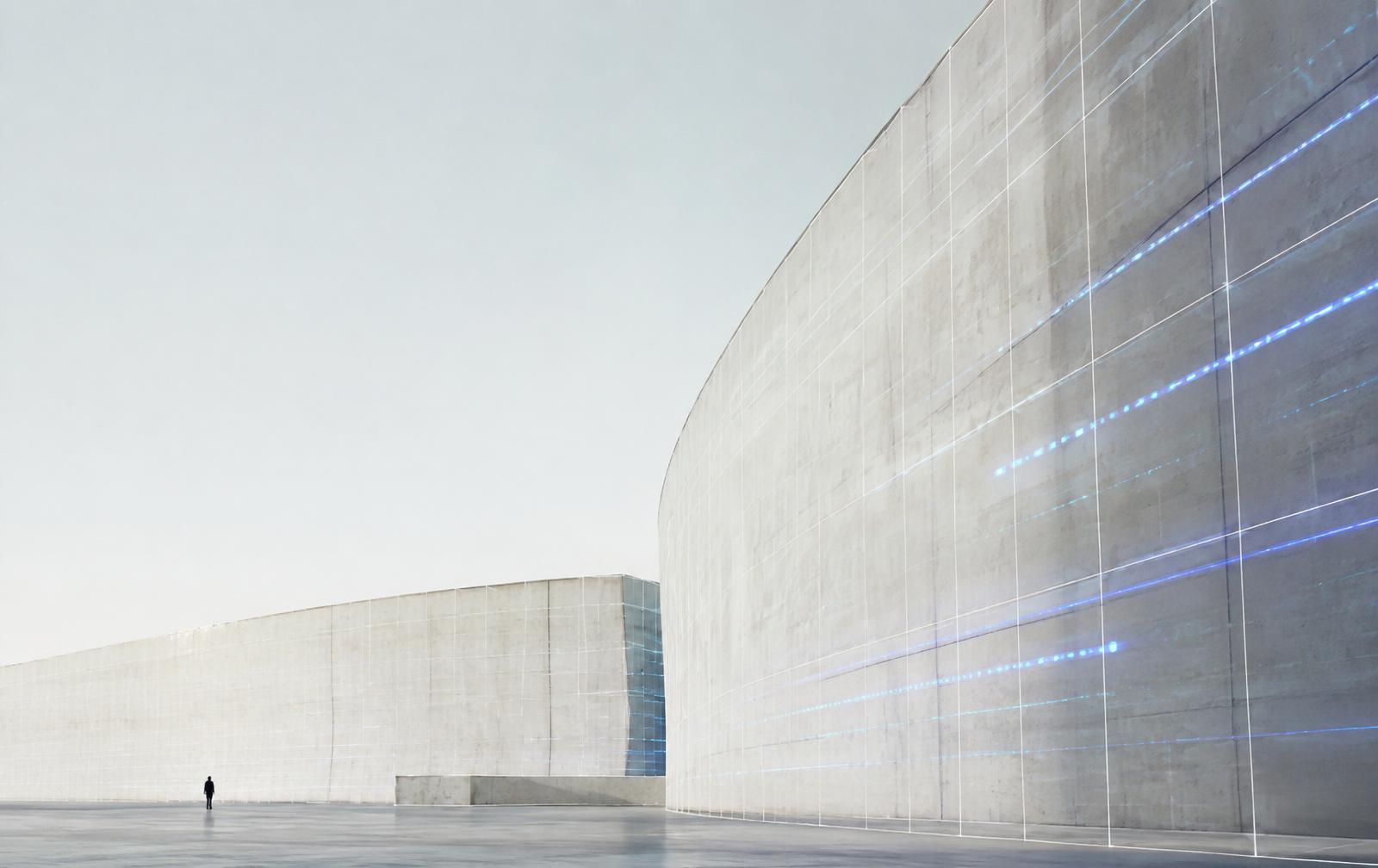
Engineering that assumes the system will change
Most software fails slowly: it works at delivery and becomes harder to modify every month afterwards. Our work concentrates on the decisions that determine that trajectory — how the data is modelled, how boundaries between modules are drawn, how behaviour is tested, and how a change reaches production.
We work across the full stack of a business system: interface, application logic, data storage, integrations and the runtime environment. Each layer is treated as something that has to be read, understood and modified by people who did not write it.
02Main service areas
Custom software development
Applications built for a specific operational process rather than adapted from a generic product.
Web applications and platforms
Browser-based systems with defined user roles, structured data and predictable behaviour under load.
Cloud infrastructure and integration
Environments, deployment pipelines and connections between the systems a business already runs.
Modernization and maintenance
Structured work on existing codebases so that they remain changeable, testable and supportable.
03Custom software development
Built around a process, not around a template
Custom development starts from how work actually happens: who performs which step, which records are produced, which rules must never be violated, and where the current approach breaks down.
From that description we define a data model and application structure, then implement it in increments. Business rules live in one place, are covered by tests, and are documented so they can be revised later without reverse-engineering the interface.

04Web applications and digital platforms
Interfaces people use every working day
Web platforms are built as accessible, responsive interfaces over a well-defined API. Roles and permissions are part of the design from the start, not an addition, and state is kept explicit so the interface reflects what the server actually holds.
Attention goes to the parts users feel: form validation that explains itself, list and search behaviour that stays fast as data grows, stable layouts, keyboard access, and clear feedback when something fails.
05Cloud infrastructure and systems integration
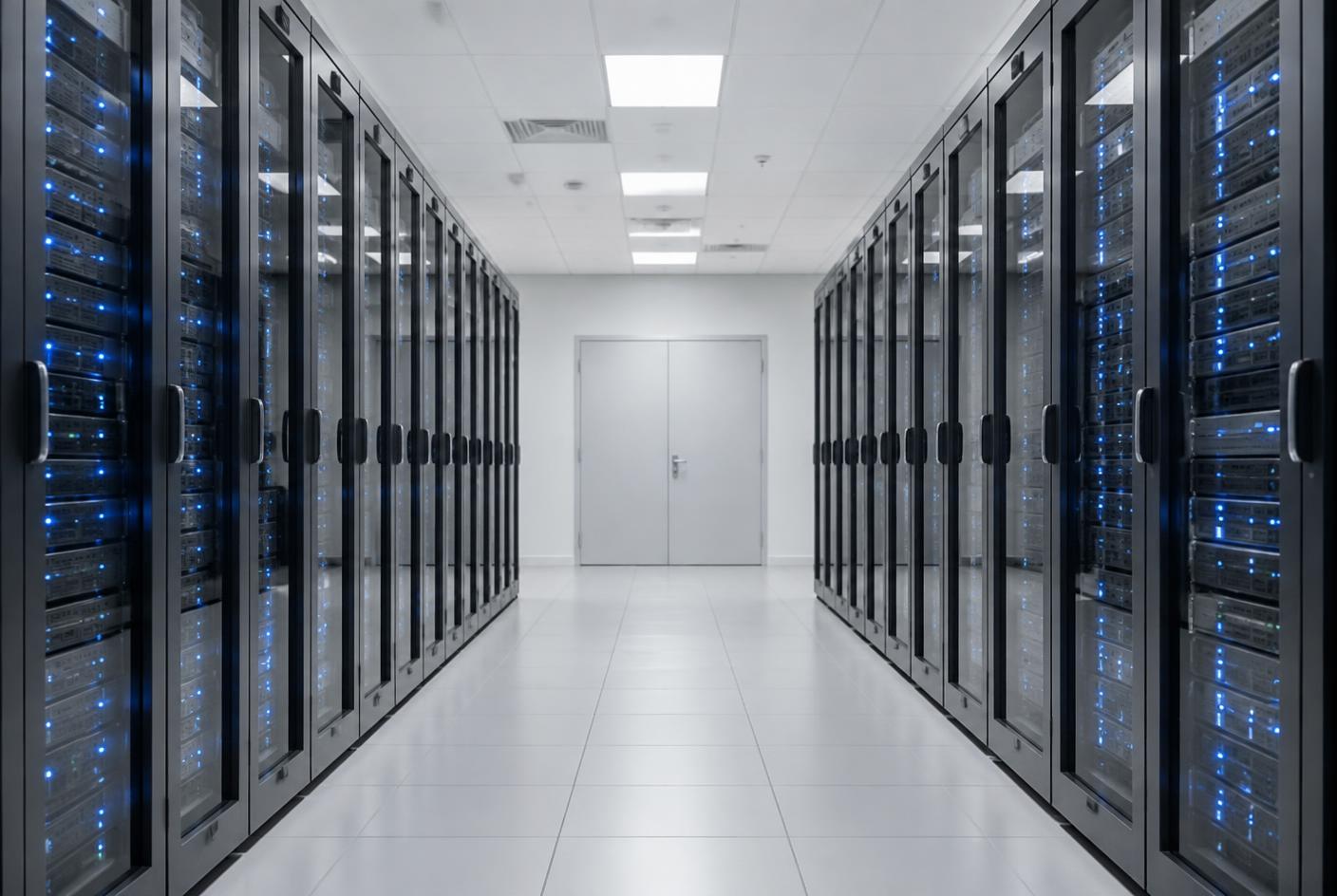
Environments that can be rebuilt on demand
Infrastructure is described in configuration rather than assembled by hand, so environments can be recreated, compared and reviewed. Deployment runs through an automated pipeline that builds, tests and releases the same artefact to each environment.
Integration work connects the systems a business already depends on. We define the contract between them, handle authentication and rate limits, and design for partial failure: retries, idempotent operations, queued work and logs that make an incident traceable.
06Modernization of existing software
Change an operating system without stopping it
Modernization begins with an assessment: what the system does, which parts change most often, where the risk concentrates, and which dependencies are no longer supported. That produces a sequence of changes rather than a rewrite.
Typical steps include adding tests around existing behaviour before touching it, isolating modules behind interfaces, upgrading runtimes and libraries in controlled stages, and moving functionality to a new structure while the original remains in service.
07Project workflow
Six stages, repeated for every increment
Discovery
We document the process the software has to support, the people involved, the data it handles and the constraints that already exist. Ambiguities are recorded as open questions rather than assumptions.
Planning
Scope is broken into deliverable increments with a technical approach, interfaces and data model described before implementation begins. Dependencies and risks are listed explicitly.
Development
Work proceeds in short increments under version control, with code review on every change and a running environment that reflects the current state of the system.
Testing
Automated tests cover business rules and integration points; manual review covers interface behaviour and edge cases. Defects are reproduced before they are fixed.
Delivery
Release happens through a repeatable deployment process, with configuration, migration steps and rollback paths prepared and documented in advance.
Maintenance
After release we handle dependency updates, monitoring, corrective fixes and further increments of functionality on an agreed working rhythm.
08Quality assurance and security practices
Verification is part of the work, not a stage after it
Every change goes through review and an automated pipeline that runs the test suite, type checks and static analysis. Tests are written around business rules and integration points so that failures point to a cause rather than a symptom.
Security-conscious development means input validation at boundaries, parameterised database access, authentication and authorisation enforced on the server, secrets kept out of source control, least privilege for service accounts, and dependency updates tracked continuously rather than at the end of a project.
Findings are recorded and prioritised with the same process as functional work, so that known issues stay visible.

09Collaboration and communication
A written record, a visible backlog, a running version
Decisions are written down with the reasoning behind them, so that a choice made in week two can still be understood in month ten. Scope changes are recorded rather than absorbed silently.
Work is tracked in a shared backlog that reflects the real state of the project, and a running environment is kept available for review. Regular working sessions cover progress, blockers and the next increment; between them, asynchronous written updates keep the record complete across time zones.
10Illustrative project types
The following are examples of the kinds of work described on this website. They are illustrative descriptions of possible engagements, not completed client projects, and no results or figures are implied.
Internal operations tool
Replacing a spreadsheet-driven workflow with a role-aware application: structured records, validation, audit history and reporting.
Customer-facing web platform
An account area where customers view their data, submit information and track status, backed by a documented API.
Integration layer
A service that reconciles data between an existing system of record and third-party services, with retries, logging and failure handling.
Legacy application renewal
Incremental extraction of a large legacy codebase into maintainable modules while the original system stays in operation.
11Frequently asked questions
- What kinds of systems does SASOLIDBUILD LTD build?
- Business applications, internal tools, customer-facing web platforms, backend services and APIs, and the cloud infrastructure they run on. Work also covers improving and extending software that already exists.
- How is a project usually structured?
- Projects are divided into increments that each produce something reviewable. Discovery and planning precede implementation, and testing and deployment are part of every increment rather than a final phase.
- Which technologies are used?
- Technology choices follow the requirements of the project, the skills of the team that will maintain the result, and the platforms already in use. Choices are documented with their trade-offs rather than treated as defaults.
- What happens after the software is delivered?
- Maintenance can continue under an agreed arrangement: dependency and security updates, monitoring, corrective fixes and further development. Handover documentation is prepared so another team can also take over.
- How is progress communicated?
- Through a written record of decisions, a visible task backlog, regular working sessions and access to the current running version of the software.
- How can a project be discussed?
- By email at dariusjaeger357@gmail.com. A short description of context, objectives, scope and expected timeline is enough to start a conversation.
12Contact information
SASOLIDBUILD LTD
dariusjaeger357@gmail.com
sasolidbuild.com
Written enquiries are the most efficient starting point. Including the context of the project, its objectives, the scope you have in mind and the timeline you expect allows a substantive first reply.